Creatine and the Female Brain: Neuroenergetics, Hormonal Transitions, and the Optimization of Cognitive Performance
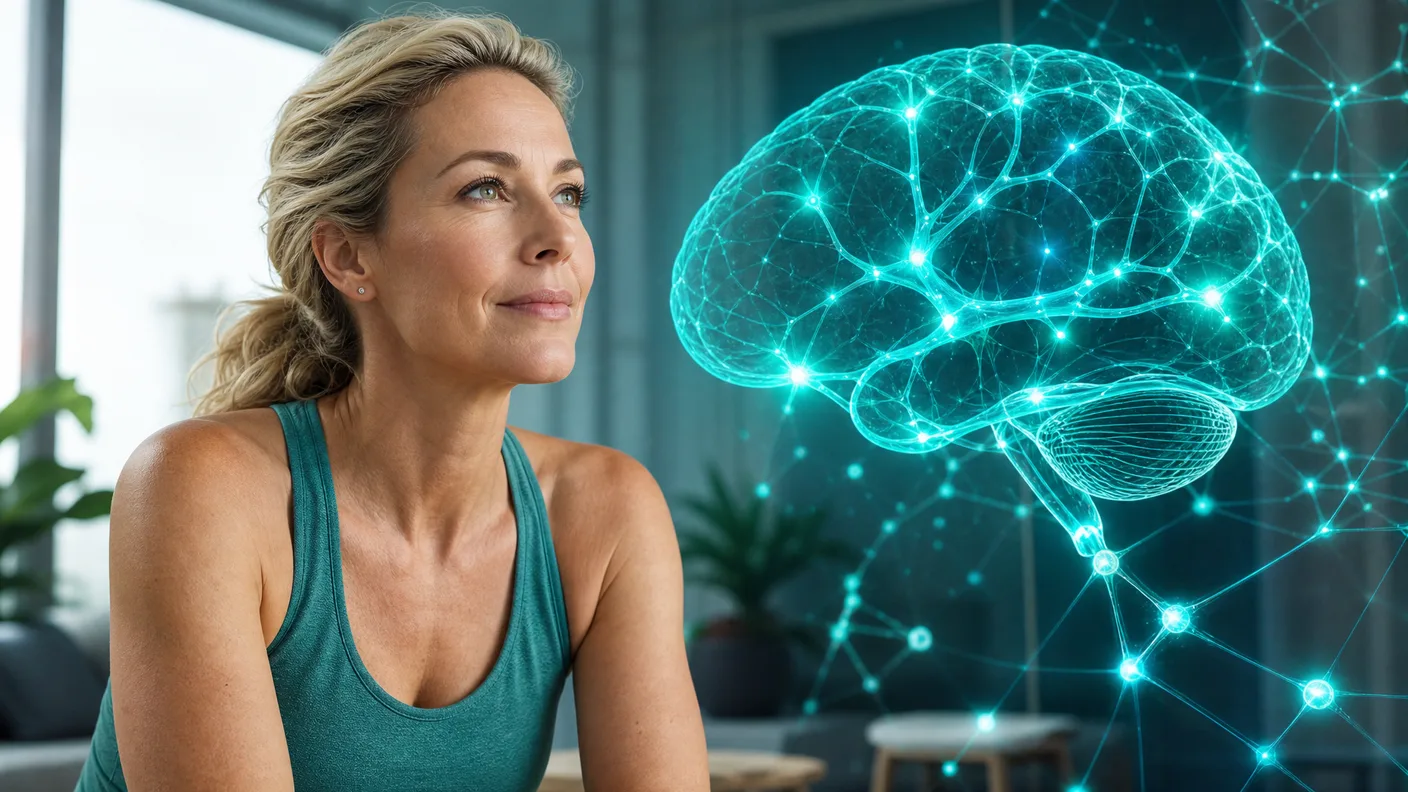
When discussing creatine, imagery typically reverts to the heavy lifting zones of fitness centers and the accretion of skeletal muscle mass. This conventional paradigm is completely outdated in the light of contemporary neuroscientific evidence. Recent medical research has demonstrated that creatine is one of the most compelling and effective nootropics for supporting female brain health, cognitive performance, and psychological resilience. This becomes particularly vital during life stages where pronounced endocrine shifts challenge the operational capacity of the central nervous system.
In particular, the fluctuations and dramatic decline in estrogen levels during perimenopause and menopause reflect directly upon cerebral energy metabolism. Creatine offers an evidence-based, safe, and highly accessible biochemical buffering mechanism for this specific physiological challenge.
This neuroenergetic framework is also evaluated within the Aivoauditointi™ method developed by NeuroAudit® Oy, where cognitive ergonomics, stress physiology, and the dynamic balance of endocrine function are systematically integrated into expert performance and daily workload management.
Cerebral Metabolic Deficits and Estrogen Deprivation
The human brain is energetically the most demanding organ in the body. Although it accounts for only approximately 2% of total body mass, it continuously consumes roughly 20% of all systemic energy. This immense energy requirement is synthesized within cells in the form of adenosine triphosphate (ATP).
17-beta-estradiol, the primary form of estrogen, plays a critical role in regulating cerebral glucose metabolism, mitochondrial efficiency, and ATP synthesis. As estrogen levels begin to fluctuate and decline during perimenopause, the capacity of the brain to utilize glucose as its primary fuel source can become transiently impaired. This neurobiological phenomenon, described as metabolic hypometabolism, underlies several well-documented symptoms:
At this specific pathophysiological junction, creatine introduces significant therapeutic potential. At the cellular level, creatine binds with phosphate to form phosphocreatine (PCr). When the brain encounters high cognitive demand or an endocrine-driven energetic deficit, phosphocreatine rapidly donates its phosphate group to adenosine diphosphate (ADP). This chemical reaction immediately reconstitutes it into functional ATP energy. Consequently, creatine functions within neural tissues as a direct metabolic buffer and a cellular emergency battery (Candow et al. 2023).
- Memory lapses and the subjective perception of brain fog
- Diminished cognitive flexibility and profound mental fatigue
- Affective fluctuations and disruptions in sleep architecture
What Does Science Say? The Benefits of Creatine for Female Cognition
Female brain health and exogenous creatine metabolism have been investigated at an accelerated pace in recent years. Empirical data indicates that women naturally possess approximately 70% to 80% lower endogenous creatine stores within both brain tissues and muscle architecture compared to men (Smith-Ryan et al. 2021). Because the female body synthesizes, utilizes, and requires creatine through distinct pathways, the biological response to external supplementation is often clinically meaningful.
1. Cognitive Performance and Workload Management
Clinical trials demonstrate that creatine loading significantly optimizes performance in tasks requiring working memory, rapid information processing, and visuospatial attention (Roschel et al. 2021). An exceptionally potent response is observed when the brain is under acute stress, such as during periods of sleep deprivation, mental exhaustion, or the high cognitive load inherent to demanding knowledge work.
2. Mood Regulation and Emotional Balance
Menopausal transitions are associated with an elevated risk of depressive symptoms and anxiety, which directly links to alterations in neurotransmitter signaling and neuroenergetics. Clinical studies have noted that utilizing creatine as an adjunctive intervention alongside standard therapies, such as SSRI medications, accelerates and enhances the reduction of depressive symptoms (Kondo et al. 2011). Creatine supports neuroplasticity and helps balance cellular energy deficits within regions regulating affect, such as the prefrontal cortex.
3. Physical Resilience: Muscle Architecture and Bone Density
While the primary focus remains centered on neurological longevity, the physiological body cannot be disconnected from the systemic whole. As estrogen protection recedes, women become increasingly susceptible to sarcopenia, the loss of muscle mass, and osteopenia, the reduction of bone mineral density. Creatine enhances cellular protein synthesis and intracellular hydration within muscle cells. When paired with regular progressive resistance training, it effectively preserves functional muscle mass and supports the retention of bone mineral density (Smith-Ryan et al. 2021).
Practical Application: Dosage and Protocol
In the light of comprehensive scientific reviews, the recommended dosing protocol for women differs substantially from traditional bodybuilding guidelines:
- Chemical Form: For optimal tissue saturation, individuals should exclusively utilize creatine monohydrate. It represents the most thoroughly researched, safe, and bioavailable form globally. A high-quality micronized powder dissolves effortlessly into liquids without leaving residue.
- Dosage: A daily maintenance dose of 3 to 5 grams is fully sufficient for long-term utilization. This corresponds to approximately one level teaspoon.
- No Requirement for a Loading Phase: The historically recommended loading phase of 20 grams daily for a week is typically unnecessary for women, and it may induce transient extracellular fluid retention or gastrointestinal irritation. A consistent daily intake of 3 to 5 grams fills cerebral and muscular tissue stores optimally within 3 to 4 weeks.
- Consistency and Routine: Creatine does not operate as an acute stimulant like caffeine; its efficacy depends entirely on chronic tissue saturation. Therefore, consistency is paramount, meaning the dose should be taken at the same time each day, for example alongside breakfast or a recovery beverage. Maintaining adequate fluid intake is necessary, as creatine draws water positively into the cells, supporting intracellular hydration and cellular metabolism.
Strategic Summary
Creatine is not merely a performance enhancer engineered for athletes. It is an evidence-based, safe, and highly cost-effective nootropic capable of safeguarding cerebral functionality. Particularly between the ages of 40 and 50, when perimenopause challenges the established metabolic pathways of the central nervous system, creatine offers a proven method to protect cognitive capacity, enhance stress resilience, and support comprehensive well-being. It represents a grounded and proactive investment in lifelong brain health and the performance demanded by professional knowledge work.
Sources and research basis
- Candow, D. G., Forbes, S. C., Ostojic, S. M., Prokopidis, K., Stock, M. S., Harmon, K. K., & Smith-Ryan, A. E. 2023. “Brain Fog” and Co-Occurring Symptoms During the Menopausal Transition: Can Creatine Help? Medical Hypotheses, 178, 111139.
- Kondo, D. G., Sung, Y. H., Hellem, T. L., Fiedler, K. K., Shi, X., Jeong, E. K., & Renshaw, P. F. 2011. Creatine as an Adjunctive Treatment for Adolescent and Adult Major Depressive Disorder. American Journal of Psychiatry, 168(10), 1037-1044.
- Roschel, H., Gualano, B., Ostojic, S. M., & Rawson, E. S. 2021. Creatine Supplementation and Brain Health. Nutrients, 13(2), 586.
- Smith-Ryan, A. E., Cabre, H. E., Eckerson, J. M., & Candow, D. G. 2021. Creatine Supplementation in Women’s Health: A Lifespan Perspective. Nutrients, 13(3), 877.