The gut-brain axis and nutrition: how fibre and the microbiome shape mood and focus
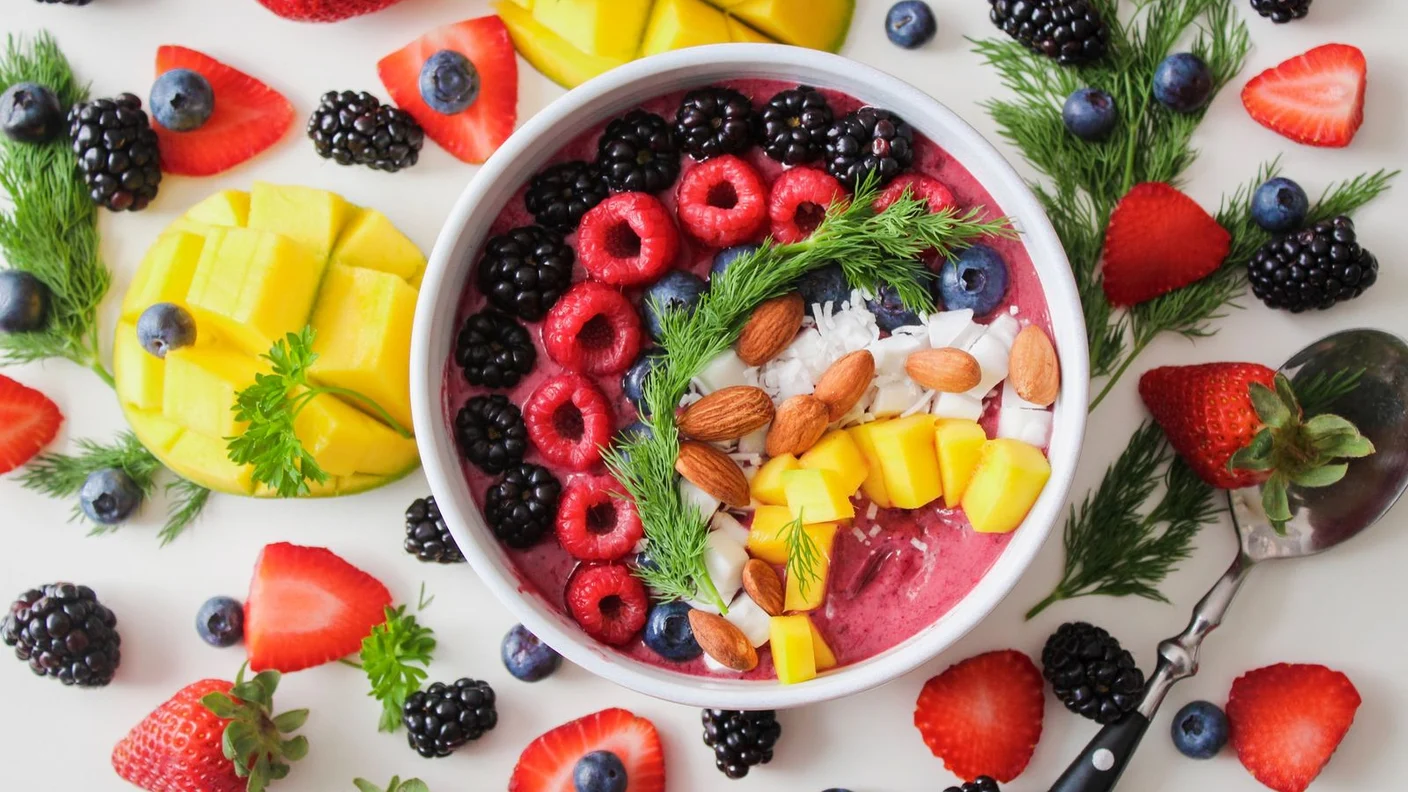
Explore how dietary fibre and microbiome diversity influence mood and cognition through the gut-brain axis. Discover practical food choices.
The intricate connection between our gut and brain, known as the gut-brain axis, plays a crucial role in shaping mood, stress resilience, and cognitive functions. Emerging research highlights how dietary fibre and a diverse microbiome are pivotal in this relationship. For instance, increased fibre intake has been linked to greater hippocampal grey matter volume, a key area for memory and learning (Frontiers Nutrition 2025). Understanding these mechanisms, including the roles of short-chain fatty acids, the vagus nerve, and inflammation, can empower us to make informed dietary choices that support brain health. This is not medical advice, but a guide to enhancing well-being through nutrition.
The gut-brain axis: a bidirectional signalling route
The gut-brain axis represents a complex communication network between the gastrointestinal tract and the central nervous system. This bidirectional route involves neural, hormonal, and immunological pathways, with the vagus nerve playing a crucial role in direct neural communication. Short-chain fatty acids (SCFAs), produced by gut microbiota during the fermentation of dietary fiber, are key metabolites that influence brain function. SCFAs can cross the blood-brain barrier, modulating inflammation and neurotransmitter production, which are vital for mood regulation and cognitive processes (Kesse-Guyot et al. 2021).
The diversity of the gut microbiome is essential for optimal brain health. A varied microbiome, supported by a fiber-rich diet, is linked to enhanced production of SCFAs and reduced systemic inflammation. This, in turn, promotes hippocampal health and may protect against cognitive decline. Studies have shown that higher dietary fiber intake is associated with increased hippocampal grey matter volume, which is crucial for memory and learning (Dietary Fiber Intake and Hippocampal Grey Matter Volume 2025).
Moreover, the gut-brain axis influences stress resilience. A balanced microbiome can modulate the body's stress response by regulating the hypothalamic-pituitary-adrenal (HPA) axis. This regulation helps in maintaining homeostasis and reducing anxiety levels. Fermented foods, rich in probiotics, can enhance microbiome diversity, supporting mental well-being. The FINGER study highlighted that dietary interventions focusing on fiber and fermented foods improved cognitive outcomes and stress resilience in older adults (Lehtisalo et al. 2019).
- Incorporate a variety of fiber-rich foods like fruits, vegetables, and whole grains to support gut microbiome diversity.
- Include fermented foods such as yogurt, kefir, and sauerkraut in your diet to enhance probiotic intake.
- Focus on a balanced diet to support the gut-brain axis, potentially improving mood and cognitive functions.
Fibre, short-chain fatty acids and the hippocampus
Dietary fiber plays a crucial role in the production of short-chain fatty acids (SCFAs), which are metabolites that influence brain function. SCFAs, such as acetate, propionate, and butyrate, are produced by the fermentation of fiber by gut microbiota. These compounds have been shown to cross the blood-brain barrier and exert protective effects on the hippocampus, a brain region essential for memory and learning (Kesse-Guyot et al. 2021). Increased fiber intake has been associated with greater hippocampal grey matter volume, suggesting a direct link between diet and brain structure (Dietary Fiber Intake and Hippocampal Grey Matter Volume 2025).
The hippocampus is particularly sensitive to inflammation, which can be modulated by SCFAs. By reducing pro-inflammatory cytokines, SCFAs help maintain hippocampal health and enhance cognitive function. This anti-inflammatory effect is crucial for stress resilience and mood regulation, as chronic inflammation is linked to depressive symptoms and cognitive decline (Lehtisalo et al. 2019). Therefore, a diet rich in fiber can support mental well-being by promoting a healthy gut-brain axis.
Incorporating fiber-rich foods into the diet not only supports SCFA production but also enhances microbiome diversity, which is vital for optimal brain health. Foods such as whole grains, legumes, fruits, and vegetables are excellent sources of dietary fiber. These foods contribute to a diverse microbiome, which is associated with improved cognitive outcomes and reduced risk of neurodegenerative diseases (Morris et al. 2015). Thus, dietary choices that enhance fiber intake can have profound effects on brain health and cognitive longevity.
- Include a variety of fiber-rich foods like whole grains and legumes in your diet.
- Aim for a diverse microbiome by consuming different types of fruits and vegetables.
- Consider the role of fiber in reducing inflammation and supporting hippocampal health.
Microbiome diversity, inflammation and mood
The diversity of the gut microbiome plays a crucial role in modulating inflammation and mood. A varied microbiome can produce a range of short-chain fatty acids (SCFAs) that are essential for maintaining the integrity of the gut barrier and reducing systemic inflammation. This reduction in inflammation is linked to improved mood and stress resilience, as chronic inflammation is a known contributor to mood disorders (Kesse-Guyot et al. 2021). The vagus nerve acts as a communication highway between the gut and brain, transmitting signals that can influence emotional regulation and cognitive function.
Dietary fiber is a key factor in promoting microbiome diversity. Fiber-rich foods serve as prebiotics, providing nourishment for beneficial gut bacteria. Studies have shown that higher fiber intake is associated with increased hippocampal grey matter volume, which is crucial for memory and mood regulation (Dietary Fiber Intake and Hippocampal Grey Matter Volume 2025). This highlights the importance of fiber in supporting both brain structure and function, potentially mitigating the risk of mood disorders and cognitive decline.
Inflammation in the brain is often linked to neurodegenerative diseases and mood disorders. By fostering a diverse microbiome through diet, individuals can potentially lower their risk of these conditions. The FINGER study demonstrated that dietary interventions focusing on whole foods and fiber can lead to cognitive improvements and reduced inflammation (Lehtisalo et al. 2019). Incorporating fermented foods, which are rich in probiotics, further enhances microbiome diversity and supports mental health by stabilizing mood and reducing anxiety.
- Incorporate a variety of fiber-rich foods like fruits, vegetables, and whole grains to support microbiome diversity.
- Include fermented foods such as yogurt, kefir, and sauerkraut to enhance gut health and mood.
- Focus on whole-food-based diets to reduce inflammation and support cognitive function.
Fermented foods and overall dietary pattern
Fermented foods, such as yogurt, kimchi, and sauerkraut, play a crucial role in modulating the gut-brain axis. These foods are rich in probiotics, which enhance microbiome diversity and promote the production of short-chain fatty acids. These acids, in turn, have been linked to improved mood and cognitive function by reducing inflammation and supporting hippocampal health (Kesse-Guyot et al. 2021). A diverse microbiome is associated with better stress resilience, potentially lowering the risk of mood disorders.
The overall dietary pattern, particularly those rich in fiber and fermented foods, has been shown to impact brain health significantly. The FINGER study emphasizes that a diet incorporating these elements can improve cognitive performance and reduce the risk of cognitive decline (Lehtisalo et al. 2019). Fiber aids in the production of beneficial gut bacteria, which can influence brain function through the vagus nerve and modulation of inflammatory pathways.
Incorporating fermented foods into a balanced diet can enhance the gut-brain connection, supporting mood and cognitive health. The MIND diet, which includes elements of the Mediterranean and DASH diets, highlights the importance of whole foods, including those rich in probiotics, for reducing Alzheimer’s incidence (Morris et al. 2015). Regular consumption of these foods may help maintain cognitive function and mental well-being, underscoring the importance of dietary choices in brain health.
- Include a variety of fermented foods like yogurt and kimchi in your diet to boost microbiome diversity.
- Adopt dietary patterns such as the MIND diet to support cognitive function and reduce Alzheimer's risk.
- Focus on whole foods rich in fiber and probiotics to enhance mood and stress resilience.
Limits of the evidence: correlation, causation and individuality
The exploration of the gut-brain axis reveals intriguing connections between diet and cognitive health, yet the evidence remains complex. While studies suggest that dietary fiber can enhance hippocampal grey matter volume, indicating potential cognitive benefits (Frontiers Nutrition 2025), these findings are primarily correlational. This means that while an association exists, causation cannot be definitively established. Individual differences, such as genetics and lifestyle, further complicate the interpretation of these results. Thus, while promising, the evidence requires cautious application in personalized dietary recommendations.
The role of the microbiome in shaping mood and cognition through mechanisms like short-chain fatty acids and the vagus nerve is supported by emerging research. However, the degree to which these mechanisms influence brain health can vary significantly among individuals. The FINGER study highlights the potential of dietary interventions to impact cognitive outcomes, yet the specific contribution of fiber and microbiome diversity remains under investigation (Lehtisalo et al. 2019). This underscores the necessity for further research to unravel these complex interactions and their implications for mental health.
Moreover, the impact of dietary patterns on inflammation and hippocampal function is not uniform across populations. The MIND diet study suggests a link between diet and reduced Alzheimer’s incidence, but individual responses can differ due to environmental and genetic factors (Morris et al. 2015). This variability emphasizes the importance of personalized nutrition approaches. As such, while dietary fiber and microbiome diversity are promising areas for enhancing mood and cognition, the evidence should be viewed as part of a broader, individualized health strategy.
- Consider personalized dietary plans that account for individual variability.
- Focus on increasing dietary fiber as part of a balanced diet.
- Monitor emerging research for more definitive causal relationships.
Practical guidance to support gut and brain
Supporting both gut and brain health through nutrition involves strategic dietary choices. Increasing dietary fiber intake is crucial, as it enhances microbiome diversity and promotes the production of short-chain fatty acids (SCFAs), which have been linked to improved cognitive function and mood regulation (Kesse-Guyot et al. 2021). Foods rich in fiber, such as whole grains, legumes, fruits, and vegetables, can bolster hippocampal grey matter volume, a region vital for memory and learning (Dietary Fiber Intake and Hippocampal Grey Matter Volume 2025).
Fermented foods like yogurt, kimchi, and sauerkraut provide probiotics that support a healthy gut microbiome. These foods can reduce inflammation and influence the gut-brain axis via the vagus nerve, contributing to stress resilience and cognitive clarity (Lehtisalo et al. 2019). Regular consumption of these foods can enhance microbial diversity, which is associated with a lower risk of neurodegenerative diseases (Morris et al. 2015).
To effectively integrate these dietary components, consider adopting the MIND diet, which emphasizes plant-based foods, whole grains, and limited red meat and sugar intake. This approach has been shown to reduce Alzheimer's incidence by up to 53% in adherent individuals (Morris et al. 2015). By focusing on these nutritional strategies, individuals can support both gut health and cognitive function, potentially mitigating age-related cognitive decline.
- Incorporate a variety of fiber-rich foods like whole grains and vegetables into daily meals.
- Include fermented foods regularly to enhance gut microbiome health.
- Adopt elements of the MIND diet to support long-term brain health.
Sources and research basis
- Dietary Fiber Intake and Hippocampal Grey Matter Volume, Frontiers Nutrition 2025. https://www.frontiersin.org/journals/nutrition/articles/10.3389/fnut.2025.1608995/full
- Lehtisalo et al. 2019 (FINGER dietary arm). https://www.fingerstudy.fi/en/the-finger-study/
- Kesse-Guyot et al. 2021 (UK Biobank diet & brain). https://doi.org/10.1038/s41380-021-01266-z
- Morris et al. 2015 (MIND diet & Alzheimer incidence). https://doi.org/10.1016/j.jalz.2014.11.009